Topic · Crypto and stablecoin salaries in the UAE
Can employees be paid in crypto or stablecoins in the UAE? (2026)
In short
Only partly, and not in dollar stablecoins. UAE law lets wages be paid in dirhams or in another currency agreed in the contract, but they must go through the Wage Protection System, via banks, exchange houses or institutions authorised by the Central Bank. Under the Central Bank’s Payment Token Services Regulation, a foreign stablecoin such as USDT or USDC may only be used to buy virtual assets, so it cannot be used to pay wages or a bonus; a dirham stablecoin from a licensed issuer may be used for any lawful payment. Dubai’s Court of First Instance has enforced crypto promised in an employment contract (2024) and accepted a salary agreed in crypto (2025), but these are first-instance rulings. Crypto income does not count for the digital nomad visa. What works today is a normal salary, with the employee free to convert part of it through a licensed provider.
Can a company pay salaries in stablecoins? What the law allows in the UAE, Spain, the US and the UK. Paying salaries in stablecoins: four countries
New to the vocabulary? 60 digital-money terms explained for HR, from stablecoin to pay gap report. Digital money for HR: the glossary
Key facts
- Currency of wages
- Dirhams, or another currency agreed in the contract (UAE Government portal)
- How wages are paid
- Wage Protection System, through banks, exchange houses or institutions authorised by the Central Bank
- Dollar stablecoins
- USDT or USDC may only be used to buy virtual assets (Payment Token Services Regulation)
- Dirham stablecoins
- May be used for any lawful payment if issued by a licensed issuer; AE Coin received in-principle approval in October 2024
- Courts
- Dubai Court of First Instance: crypto tokens promised in a contract enforced (August 2024); salary agreed in crypto accepted (reported July 2025)
- Visas
- Crypto income does not count as salary for the digital nomad visa (May 2026)
- Tax
- No income tax on salaries
Crypto and stablecoin salaries in the UAE
The answer, rule by rule
| Question | What the rules say | Source |
|---|---|---|
| Can wages be paid in a currency other than dirhams? | Yes, if both sides agree it in the contract | UAE Government portal; Labour Law |
| How must wages be paid? | Through the Wage Protection System, via banks, exchange houses or institutions authorised by the Central Bank | UAE Government portal |
| Can a dollar stablecoin (USDT, USDC) be used to pay? | No: a foreign payment token may only be used to buy virtual assets | Central Bank, Payment Token Services Regulation |
| Can a dirham stablecoin be used? | A dirham payment token from a licensed issuer may be used for any lawful payment | Central Bank, Payment Token Services Regulation |
| Have courts accepted crypto pay? | Yes, at first instance: tokens promised in a contract (2024) and salary agreed in crypto (2025) | Khaleej Times; Pinsent Masons |
| Does crypto income count for the digital nomad visa? | No, not even in a dollar stablecoin | Semafor Gulf |
| Is a crypto salary taxed? | The UAE does not tax employment income | UAE Ministry of Finance |
Rules as at 22 November 2026. Free zones such as DIFC and ADGM have their own employment laws and regulators.
What an employer can do today
Pay the salary in dirhams, or another agreed currency, through the Wage Protection System. Then let employees who want digital money convert part of their own pay through a licensed provider. That keeps the employer inside the payroll rules and leaves the choice, and the risk, with the employee.
Do not pay wages or bonuses in USDT or USDC: under the Central Bank’s rules a foreign stablecoin may only be used to buy virtual assets. A licensed dirham stablecoin is the only digital token that may be used for general payments, and it still has to fit the Wage Protection System.
Token grants as a long-term incentive, on top of the salary, are a separate question. They need a clear contract, a vesting schedule and a valuation method, and the Dubai rulings show that courts will enforce what the contract promises.
Why the courts went further than the payroll rules
In August 2024 the Dubai Court of First Instance ordered an employer to hand over EcoWatt tokens that the employment contract promised as part of pay. In a ruling reported in July 2025, the same court accepted that an employer and an employee can agree to pay all or part of a salary in crypto. Both are first-instance decisions that a higher court could overturn, and the Wage Protection System still records salaries in dirhams or other major currencies, not in crypto.
Free zones and visas
The DIFC and ADGM financial free zones have their own employment laws and their own financial regulators, so companies there should check those rules. For immigration, crypto income, even in a dollar stablecoin, does not count as salary for the digital nomad visa, so a remote worker paid in tokens may not qualify.
Method
Rules read on 22 November 2026 in the sources below, all already used in the longer guides on this site. This is a summary of public rules, not legal advice; check the contract and the current rules with a UAE lawyer. The views in this guide are Borja’s own and do not represent any organisation he belongs to.
Borja’s view
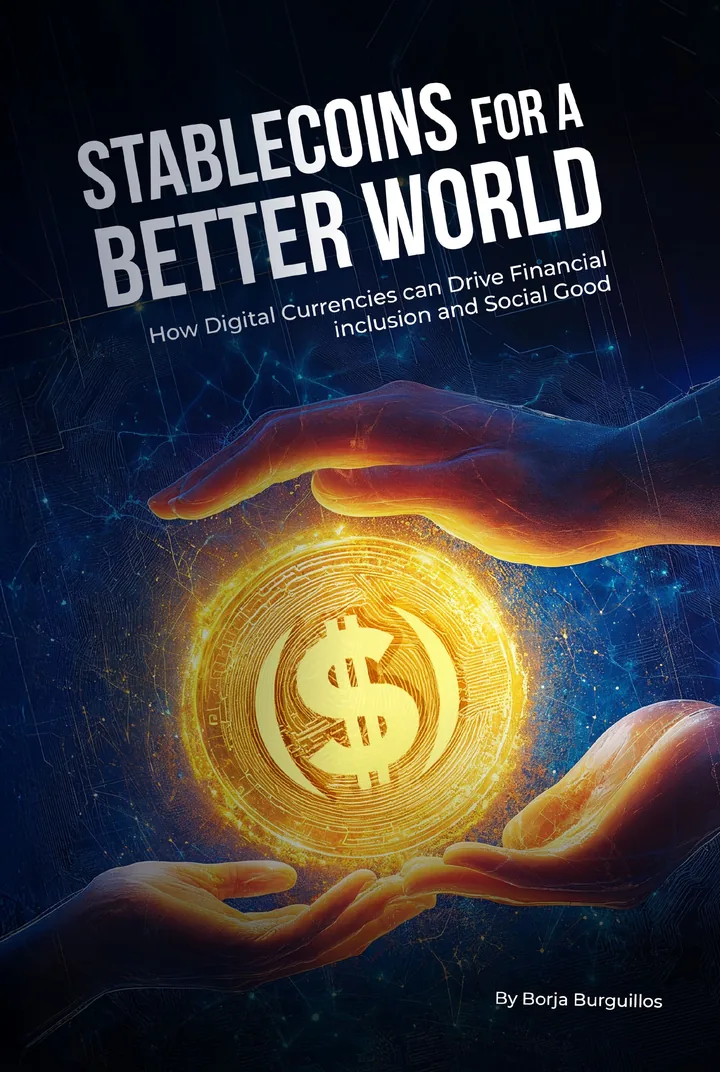
Borja spent about 20 years on people and pay in the Gulf, including as Global Head of Compensation & Benefits at Delta Partners (now FTI Consulting), and wrote Stablecoins for a Better World. His view: the question companies should ask is not whether they can pay in crypto, but whether their people want to carry the risk. A normal salary with a voluntary conversion through a licensed provider gives employees the choice without putting the employer outside the payroll rules.
Questions
Can employees be paid in crypto in the UAE?
Only partly. Wages can be paid in dirhams or another agreed currency through the Wage Protection System. Dubai courts have accepted crypto agreed in a contract at first instance, but payroll still runs in normal currency.
Can a UAE company pay salaries in USDT or USDC?
No. Under the Central Bank’s Payment Token Services Regulation, foreign stablecoins may only be used to buy virtual assets, not to pay wages or bonuses.
Can a dirham stablecoin be used for salaries?
A dirham payment token from a licensed issuer may be used for any lawful payment, but salaries still have to go through the Wage Protection System.
Does crypto income count for a UAE visa?
Not for the digital nomad visa: crypto income, even in a dollar stablecoin, does not count as salary.
Is a crypto salary taxed in the UAE?
The UAE does not tax employment income. The employee’s home country may still tax it under its own rules.
Sources
- UAE Government portal (u.ae), Payment of wages (updated 14 October 2026)
- UAE Central Bank Rulebook, Payment Token Services Regulation, Article 2
- Khaleej Times, Dubai court orders company to pay employee’s salary in cryptocurrency (18 August 2024)
- Pinsent Masons Out-Law, Dubai court allows salaries to be paid in cryptocurrency (24 July 2025)
- Morgan Lewis, Paying salaries in cryptocurrency in the UAE: a new possibility? (August 2024)
- Semafor Gulf, UAE visa rules exclude stablecoin salaries (6 May 2026)
- Gulf News, AED Stablecoin secures UAE Central Bank approval to launch AE Coin (14 October 2024)
- Federal Decree-Law No. 33 of 2021 Regarding the Regulation of Employment Relationship (MOHRE)
Updated: