Topic · Jobs in digital money

Jobs in stablecoins and digital money: the roles, the skills and the talent

By · Updated

In short

Stablecoins and tokenisation create jobs in five areas: regulatory compliance and anti-money-laundering, custody and the security of private keys, token issuance and reserve management, tokenisation of real-world assets, and digital treasury inside companies that hold or pay in stablecoins. Regulation sets the floor: in Dubai, a licensed virtual-asset firm must appoint a compliance officer, a money-laundering reporting officer and a finance officer, plus a chief information security officer for custody and exchange, all resident in the UAE. Most of the talent does not come from crypto. It comes from banking compliance, payments, treasury, cybersecurity and technology, retrained for digital assets.

How token grants, vesting and lockups work, and when they are taxed. Token compensation explained

Why digital-money literacy is becoming part of HR’s job, and what a basic programme covers. Financial literacy at work
Go deeper in the book

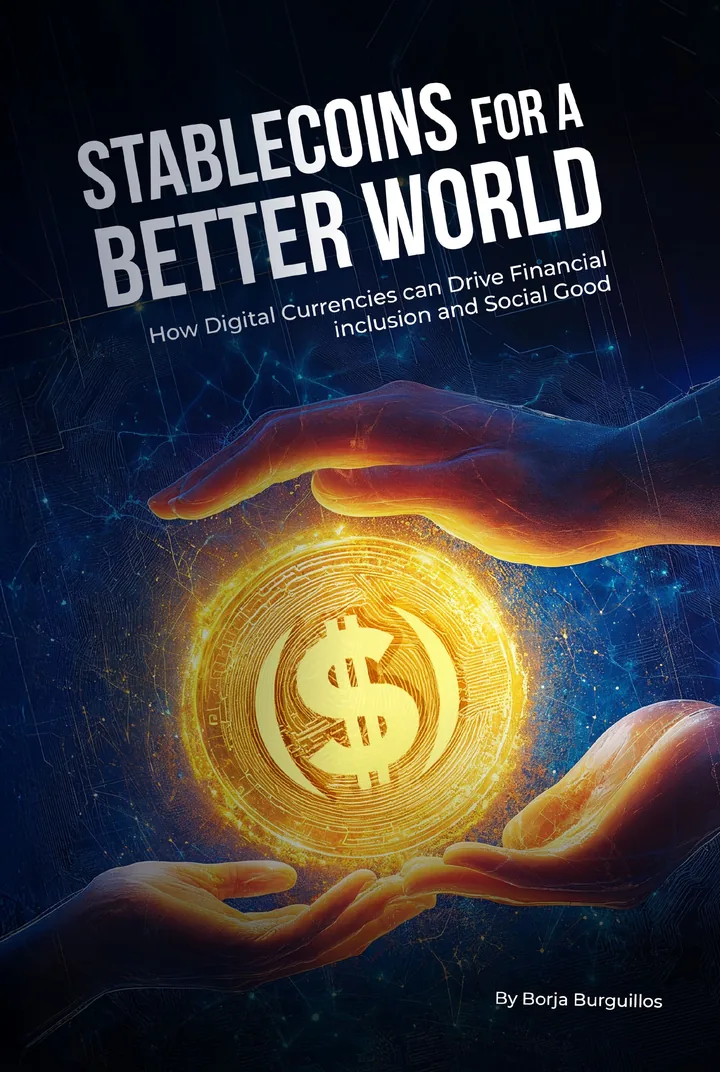
Stablecoins for a Better World

Financial inclusion and social good

About the book

Key facts

Five job families
Compliance and AML; custody and key security; issuance and reserves; tokenisation; digital treasury
Required roles in Dubai
Compliance officer, MLRO and finance officer for every licensed virtual-asset firm; plus a CISO for custody and exchange
Residency
Approved persons must be UAE-resident and employed by the licensed firm
UAE mainland payment tokens
Central Bank licences for issuing dirham tokens, custody and transfer, and conversion (Payment Token Services Regulation, 2024)
Where the talent comes from
Banking compliance, payments, treasury, cybersecurity and software, retrained for digital assets

Jobs in digital money

The five job families

Compliance and anti-money laundering: compliance officers, money-laundering reporting officers, transaction-monitoring analysts and travel-rule specialists, who apply financial-crime rules to on-chain payments.

Custody and key security: custody operations, key-management and wallet-security engineers, and information-security leads, because whoever controls the private keys controls the assets.

Issuance and reserves: the treasury and risk teams that manage the cash and short-term assets backing a stablecoin, and the people who prepare its attestations.

Tokenisation: product, legal structuring, smart-contract engineering and audit roles that turn bonds, funds or property into tokens.

Digital treasury: finance and treasury staff in ordinary companies who hold, receive or pay in stablecoins, and the payroll and accounting teams behind them.

What regulation requires

Regulation creates the first wave of hiring. In Dubai, every firm licensed by the virtual-assets regulator must appoint an authorised senior manager, a compliance officer, a money-laundering reporting officer and a finance officer before it receives its licence; custody providers and exchanges also need a chief information security officer and an independent non-executive director. These approved persons must live in the UAE and be employed by the firm.

On the UAE mainland, the Central Bank’s 2024 Payment Token Services Regulation licenses three activities: issuing dirham payment tokens, custody and transfer, and conversion. Each licence needs people who understand both payments regulation and the technology.

Where the talent comes from

The market is small, so most hires come from adjacent fields: compliance and risk officers from banks, payments specialists, treasury managers, cybersecurity engineers and software developers. What they need on top is digital-asset knowledge: how wallets and keys work, how on-chain transactions are traced, and how the local rules apply.

That makes internal mobility and upskilling as important as external hiring, and it is why consistent role profiles and job levels matter: today the same title can mean very different jobs from one firm or jurisdiction to the next.

Borja’s view

Borja spent about 20 years on people and pay in the Gulf, including as Global Head of Compensation & Benefits at Delta Partners (now FTI Consulting), and wrote Stablecoins for a Better World. His reading from years of job architecture work: the scarce skill is rarely crypto itself; it is people who can join regulated finance and the technology, and organisations that build that bridge internally will hire less and keep more.

Go deeper in the book

Stablecoins for a Better World

Financial inclusion and social good

About the book

Questions

What jobs do stablecoins create?

Compliance and anti-money-laundering roles, custody and key-security roles, issuance and reserve management, tokenisation, and digital treasury in ordinary companies.

Which roles must a virtual-asset firm in Dubai appoint?

An authorised senior manager, a compliance officer, a money-laundering reporting officer and a finance officer; custody providers and exchanges also need a CISO and an independent non-executive director.

Do these roles have to be based in the UAE?

For firms licensed in Dubai, approved persons must be UAE-resident and employed by the licensed firm.

Where do companies find digital-asset talent?

Mostly in adjacent fields: banking compliance, payments, treasury, cybersecurity and software, plus internal mobility and upskilling.

Sources

  1. Neolegal, VARA MLRO, approved persons and key personnel
  2. VARA Rulebooks (Company Rulebook; Compliance and Risk Management Rulebook)
  3. CMS, The new CBUAE Payment Token Services Regulation: 10 things you need to know (8 August 2024)

Updated:

Free tools

Calculators built on the official rules, with their sources. Free, no sign-up.

See all free tools →

More books

Guides

Bitcoin from zero: a free course in six short lessonsA free course in six short lessons: what Bitcoin is, transactions, wallets, safety, scams and tax in Spain.What is Bitcoin, and why does it exist?What it is, who made it, and why a money with fixed rules had to exist.What are stablecoins, and why do they matter?Digital dollars: how they hold their value, why they matter and the rules arriving.Money and pay: why money loses value and how pay is changingInflation, total rewards, pay transparency and what digital money changes for HR.Web3 and the business of sportFan tokens, crypto sponsorship and prediction markets: how money is changing sport.Can you be paid your salary in crypto or stablecoins?Can your salary be paid in crypto or stablecoins? The rules in the UAE and Spain.The best books to understand Bitcoin, for beginnersThe best books to understand Bitcoin, from first steps to the technical detail.The best books on stablecoinsThe best books and reports to understand stablecoins, from inclusion to regulation.Which banks are launching stablecoins, and what does it mean for you?Qivalis, Santander, BBVA, CaixaBank: which banks are launching stablecoins, and what it means for customers.Books on Web3 and sport: what to read firstThe few books worth reading on Web3, fan tokens and the business of sport, and what each one is for.Stablecoins in the UAE: what is allowed, who issues them and what it means for youWhat the UAE allows, who regulates it, and the first dirham stablecoins: AE Coin, DDSC and RAKBank.Open lists in Spain: how Spaniards vote today, and what would changeHow Spaniards vote for Congress and the Senate today, and what open lists would change.How does the D’Hondt method work? Spain’s seat formula, step by stepHow Spain turns votes into seats, with a worked example, and why the province matters more than the formula.How to vote from abroad in Spain’s 29 November 2026 electionHow Spaniards living abroad vote on 29 November 2026: the consulate urn, postal vote and deadlines.How many votes does a seat cost in Spain? Province by province, 29 November 2026How many voters stand behind each seat in Congress, province by province, for 29 November 2026.Postal vote for 29 November 2026: request it by 19 NovemberHow to vote by post from Spain on 29 November 2026: request by 19 November, send by 25 November.Polling station duty on 29 November 2026: pay, hours and time offCalled to sit on a polling station on 29 November 2026? Pay, hours, time off work and what to do if you cannot go.Can stablecoins make sending money home cheaper?Do stablecoins make sending money home cheaper? What the World Bank and IMF data show.How pay works in the UAE: basic salary, allowances and gratuityBasic salary, allowances, gratuity, no income tax: what a UAE pay package really means.Paying employees in stablecoins: what employers need to know in the UAE and SpainWhat employers in the UAE and Spain can and cannot do when they pay staff in stablecoins.Take-home pay index 2026: how much of your salary you keep in nine countriesHow much of a $40,000 to $250,000 salary you keep in nine countries, under 2026 rules.Spain vs Dubai salary 2026: what you keep, and the Spanish salary that matches DubaiWhat the same salary leaves in Spain and in Dubai, and the Spanish salary that matches a Dubai one.How AI is changing the job market: what the major reports sayWhat the WEF, IMF, ILO, Stanford and PwC data say about AI, jobs and pay.Will Bitcoin be the money of AI agents? How machines pay, and what is still missingAI agents are starting to pay for things. Cards, stablecoins and Bitcoin compared as money for machines.Why does Bitcoin go up and down so much?Fixed supply, big funds, interest rates and leverage: why Bitcoin’s price swings so much.How a Bitcoin transaction works, step by stepWhat happens between pressing send and the payment being final: the queue, the fee, the block and the confirmations.What is a Bitcoin wallet? Keys, seed phrase and custodyA wallet does not hold coins: it holds keys. What the seed phrase is, and custody by an exchange versus your own.How to keep bitcoin safe: six habits for beginnersSix habits that protect bitcoin: the seed phrase on paper, never online, small tests, updates and a plan for your family.Bitcoin scams: the most common ones and how to spot themThe most common bitcoin scams, what they have in common, and how to check a platform before you send money.How bitcoin is taxed in Spain in 2026When bitcoin is taxed in Spain, the 19% to 30% scale, crypto-to-crypto swaps, FIFO and the Modelo 721.Token compensation explained: grants, vesting, lockups and taxHow token grants, vesting, cliffs and lockups work, how they differ from shares, and when they are taxed.Paid in a dollar stablecoin: who carries the exchange-rate risk?If part of the pay is a dollar stablecoin, who carries the exchange-rate risk: the employer or the employee? Four designs, with examples.Financial literacy at work: why digital money makes it HR’s jobOnly a third of adults reach the OECD’s minimum level of financial literacy. Why digital money makes it an HR question, and what a basic programme covers.
Portrait of Borja Burguillos

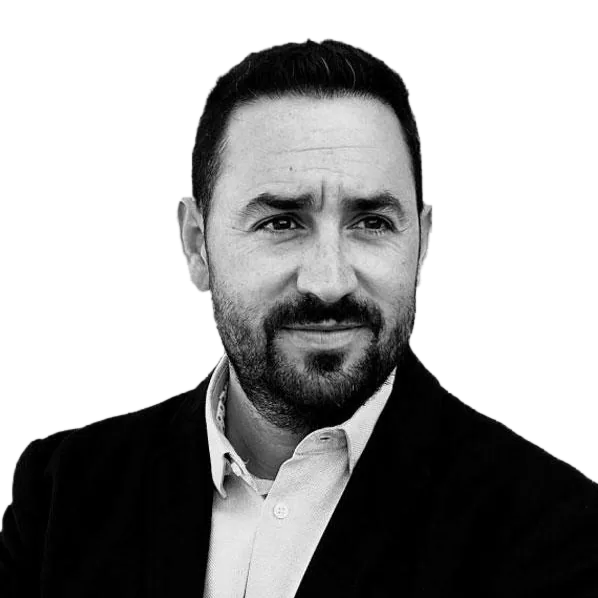
Borja Burguillos

Borja writes for people who want to understand money and incentives without the jargon. Born in Madrid and based in Dubai since 2012, he has advised companies on people and pay, built tech startups, and co-chairs the People & Organisation Committee at the Middle East Stablecoin Association.

WorldatWork Total Rewards and CAIA certified, CFA Investment Foundations, executive programmes at Wharton and IE Business School.