Topic · Financial literacy at work
Financial literacy at work: why digital money makes it HR’s job
In short
In the OECD’s 2023 survey of adults in 39 countries and economies, only 34% reached the minimum target score for financial literacy, and only 29% reached the target for digital financial skills; 15% said they had been a victim of at least one financial fraud or scam. As employers start to offer pay, bonuses or benefits linked to stablecoins and tokens, that gap becomes a workplace issue: an employee who does not understand volatility, private keys or tax timing can lose money through no fault of the scheme. A basic programme is short, neutral and practical, and it belongs with HR because HR owns the pay and benefits it explains.
A ready-made starting point: a free course in six short lessons on how Bitcoin, wallets, safety, scams and tax work. Bitcoin from zero
If part of the pay is a dollar stablecoin, who carries the exchange-rate risk? Stablecoin pay and FX risk
Key facts
- Survey
- OECD/INFE 2023 International Survey of Adult Financial Literacy, 39 countries and economies
- Minimum financial literacy
- 34% of adults reached the minimum target score of 70 out of 100
- Digital financial skills
- 29% reached the target level
- Fraud
- 15% said they had been a victim of at least one financial fraud or scam
- Basic concepts
- 84% understand inflation, but only 42% understand compound interest
Financial literacy at work
Why it becomes an HR question
When pay is only in the local currency, financial literacy is mostly a personal matter. Once an employer offers part of pay, a bonus or a benefit in stablecoins or tokens, the employer is asking staff to make decisions about volatility, custody and tax that most of them have never made. The OECD figures suggest most adults are not ready: two in three miss the minimum level of financial literacy, and seven in ten miss the digital target.
The risk is not only financial. An employee who loses money on a scheme the employer offered, or who is surprised by a tax bill, will blame the employer, and trust in the whole reward package suffers.
What a basic programme covers
What a stablecoin is, what backs it, and why it can still move against the employee’s own currency.
Wallets and private keys: custody by a provider versus self-custody, and why no one should ever share a seed phrase.
Scams: the common patterns, and the rule that no legitimate company asks for keys or promises guaranteed returns.
Tax timing: when tokens or stablecoin pay become taxable, and why the tax can fall due before anything is sold.
Where to get help: the company’s policy, a named contact, and independent advice. The programme explains; it never recommends products or providers.
How to run it
Short and repeated beats long and once: a 45-minute session before anyone can opt in, a written one-page summary, and a refresher each year. Make it neutral, with no provider on stage and no product named, and make it a condition of opting in to any digital-money element of pay.
Borja’s view
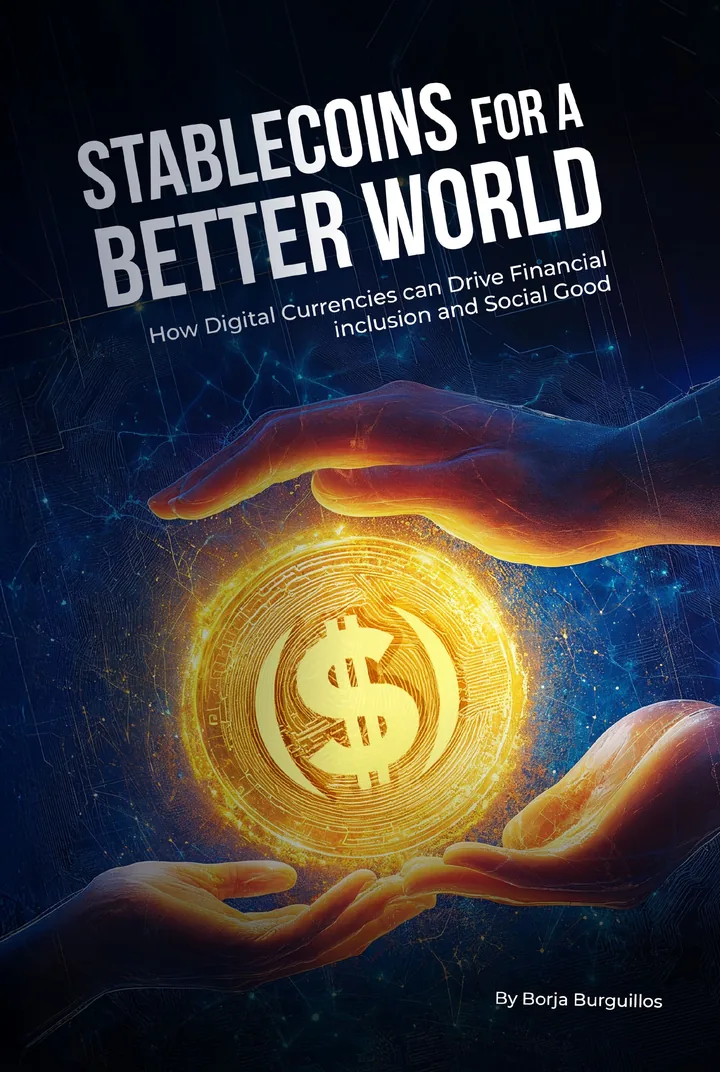
Borja spent about 20 years on people and pay in the Gulf, including as Global Head of Compensation & Benefits at Delta Partners (now FTI Consulting), and wrote Stablecoins for a Better World. His view: financial literacy is the cheapest risk control in any digital-money reward scheme, and it belongs in the reward design itself, not in an optional wellbeing calendar.
Questions
How financially literate are adults?
In the OECD’s 2023 survey of 39 countries and economies, only 34% reached the minimum target score and 29% the digital target.
Why should HR own financial literacy?
Because HR designs the pay and benefits the education explains, and employees blame the employer when a scheme it offered goes wrong.
What should a workplace programme on digital money cover?
Stablecoins and exchange-rate risk, wallets and private keys, scams, tax timing, and where to get help, without recommending products.
How long should the training be?
A short session before anyone opts in, a one-page summary, and a yearly refresher work better than one long course.