Topic · Sport
Web3 and the business of sport
In short
Sport has always run on fans, but the money has mostly flowed one way: to clubs, leagues and broadcasters. Web3 tools such as fan tokens let fans hold a small digital stake in the experience, while crypto companies became some of the biggest sponsors in sport. The newest front is prediction markets, now fighting US states in court over whether a contract on a match result is a financial product or a bet.
Key facts
- Fan tokens
- Digital tokens issued by clubs, mostly through Socios.com on the Chiliz blockchain. They give votes and perks, not ownership
- Clubs with fan tokens
- Include FC Barcelona, Paris Saint-Germain and Manchester City
- Biggest crypto naming deal
- Crypto.com Arena, Los Angeles: about $700 million over 20 years, signed in 2021
- Sports prediction markets
- US appeals courts split in 2026 on whether they are federal derivatives or state-regulated bets
- Borja’s book
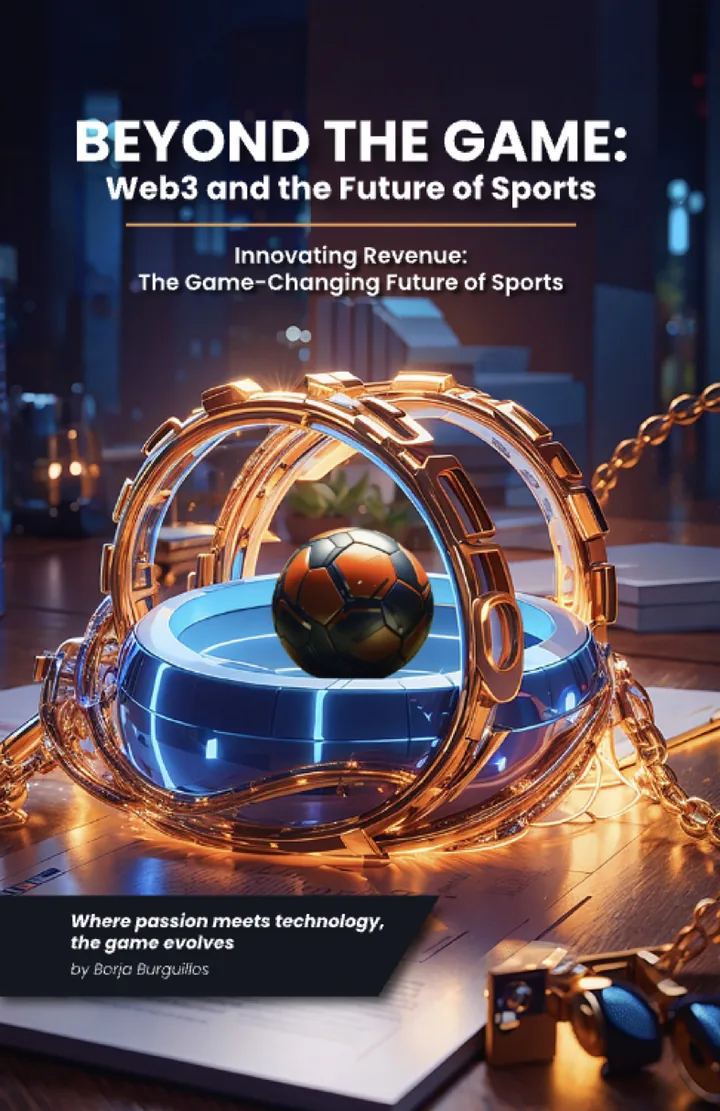
- Beyond the Game: Web3 and the Future of Sports (2023)
Sport
Where the money in sport comes from
A club earns from four places: broadcasting rights, sponsorship, matchday income and commercial sales such as shirts. Fans pay at almost every step, through subscriptions, tickets and merchandise, yet they own none of it and share in none of the upside when the club grows.
That imbalance is the starting point for most Web3 ideas in sport: give fans something they can hold, use or trade in return for their loyalty.
Fan tokens: a vote, not a share
A fan token is a digital token issued by a club, most often through the Socios.com app on the Chiliz blockchain. Fans buy it, usually with Chiliz’s own currency, CHZ, and in return get a vote in small club decisions, such as a goal song or a shirt design, plus rewards and experiences.
Clubs are paid a minimum fee and a share of token sales. Socios said fan tokens generated as much as $200 million for partner clubs in 2021. For fans, the key point is what a token is not: it is not a share in the club, pays no dividend, and its price moves like any other crypto asset.
The sponsorship boom, and the hangover
Between 2021 and 2022 crypto companies became some of the biggest spenders in sport. Crypto.com paid about $700 million over 20 years to rename Los Angeles’ Staples Center, one of the richest naming deals in sports history, and signed sponsorships with Formula One, the UFC and Paris Saint-Germain.
FTX paid $135 million for the naming rights to the Miami Heat’s arena. When FTX collapsed in November 2022, the name had to come down. The lesson for clubs was simple: a sponsor’s money is only as solid as the sponsor.
Prediction markets: trading or betting?
The newest front is prediction markets such as Kalshi, a US exchange registered with the federal Commodity Futures Trading Commission (CFTC). It lets people trade contracts that pay out depending on a match result. Kalshi says these are financial derivatives under federal law; US states say they are sports bets that need a state gambling licence.
The courts are split. In April 2026 the Third Circuit sided with Kalshi against New Jersey. In August 2026 the Ninth Circuit sided with Nevada, and in September 2026 the Sixth Circuit sided with Ohio and Tennessee. The question may end up at the US Supreme Court.
Borja’s view
Borja wrote Beyond the Game for the people who run clubs, leagues and rights, and later built 5TARS, a sports predictions and fantasy game, with Starzplay. The idea running through his work: sport has always been built on fans, but the economics have flowed one way. Technology earns its place in sport when it gives fans a real stake in return for their loyalty, not just one more thing to buy.
Questions
What is a fan token?
A digital token issued by a sports club, usually through the Socios.com app on the Chiliz blockchain. Holders can vote in small club decisions and get rewards and experiences.
Does a fan token make me an owner of the club?
No. A fan token is not a share. It gives no ownership, pays no dividend, and its price can rise or fall like any other crypto asset.
Are sports prediction markets legal in the US?
It is contested. In 2026 federal appeals courts split: the Third Circuit sided with Kalshi against New Jersey, while the Ninth and Sixth Circuits sided with Nevada, Ohio and Tennessee. The issue may reach the US Supreme Court.
What is Beyond the Game about?
Borja Burguillos’s 2023 book on how Web3 is changing the business of sport: fan tokens, Web3 gaming, prediction markets and fan-made media, written for the people who run clubs, leagues and rights.
Sources
- Sifted, “Socios fan tokens: what they really are and how they work” (2021)
- Lewis Silkin, “Fan tokens: a fleeting fad or football’s future?”
- Al Jazeera / AP, “Staples Center to be renamed Crypto.com Arena in $700m deal” (2021)
- The Block, “Kalshi wins appeal against New Jersey over sports event contracts” (April 2026)
- CDC Gaming, “Kalshi cannot block Nevada’s regulation of sports event contracts” (August 2026)
- National Law Review, “Sixth Circuit deepens circuit split” (September 2026)
Updated: