Topic · Salary in crypto
Can you be paid your salary in crypto or stablecoins?
In short
In most countries, not fully. Your base salary still has to be paid in normal money, and crypto can only be an extra on top. In the UAE, the labour law asks for wages in dirhams or another currency agreed in the contract, and Dubai courts have accepted crypto as part of pay. In Spain, wages must be paid in legal tender, and at most 30% of pay can come in kind, so crypto pay is limited and legally disputed. In the United States, federal law requires wages in cash or an instrument payable at face value, so employers pay in dollars and convert to crypto only if the employee chooses. Stablecoins reduce the price risk but do not change these rules.
Can a company pay salaries in stablecoins at all? What the rules say in the UAE and Spain. Paying employees in stablecoins
If part of the pay is a dollar stablecoin, who carries the exchange-rate risk? Stablecoin pay and FX risk
Key facts
- UAE labour law
- Federal Decree-Law No. 33 of 2021: wages in dirhams, or another currency agreed in the contract
- Dubai, August 2024
- Court of First Instance ordered an employer to hand over unpaid EcoWatt tokens promised as part of pay
- Dubai, reported July 2025
- Court of First Instance accepted that all or part of a salary can be agreed in crypto (first-instance ruling)
- UAE digital nomad visa
- Crypto income, even in a dollar stablecoin, does not count as salary (May 2026)
- Spain
- Wages in legal tender (Workers’ Statute, art. 29.4); pay in kind capped at 30% (art. 26.1)
- United States
- Federal rule: wages in cash or an instrument payable at par (29 CFR 531.27); crypto wages taxed at fair market value on a W-2
- Crypto payroll in practice
- 1 in 4 businesses surveyed pay some remuneration in crypto; over 90% of it in stablecoins (Rise, 2026)
Salary in crypto
The short answer
Almost every labour law was written for money issued by a state. That is why the base salary still has to be paid in dirhams, euros or another official currency in the countries covered here. Crypto can usually only sit on top, as a bonus, a benefit or an incentive, and only if the contract says so clearly.
Stablecoins, tokens designed to hold a steady value of one US dollar or one euro, remove most of the price swings. They do not make a token legal tender, so the same rules apply to them as to Bitcoin.
In the UAE
The UAE labour law, Federal Decree-Law No. 33 of 2021, asks for wages to be paid in dirhams, or in another currency if both sides agree it in the employment contract. The Wage Protection System, which employers under the Ministry of Human Resources and some free zones use to pay salaries, registers pay in normal currency, not in crypto.
Dubai courts have still moved. In August 2024, the Dubai Court of First Instance ordered an employer to transfer EcoWatt tokens it had promised as part of an employee’s pay. Some lawyers read that case as being about benefits rather than salary. In a ruling reported in July 2025, the same court went further and accepted that an employer and an employee can agree to pay all or part of a salary in crypto without converting it to dirhams. Both are first-instance rulings, which a higher court could overturn.
Two other rules matter. Under the Central Bank’s Payment Token Services Regulation, published in June 2024, foreign stablecoins such as dollar tokens may only be used in the UAE to buy virtual assets, not to pay for goods and services. And for the digital nomad visa, income received in crypto, even in a dollar stablecoin, does not count as salary.
In Spain
Spain’s Workers’ Statute is stricter. Article 29.4 says wages must be paid in legal tender, by cheque or by a similar method through a bank. Crypto is not legal tender, so it cannot replace the cash part of a salary.
Article 26.1 allows part of the pay in kind, up to 30% of the total, as long as the worker still receives at least the minimum wage in money. Some lawyers argue crypto could fit there. Others say it cannot, because the ILO’s Convention 95 on wages, which Spain has ratified, requires pay in kind to have a fair and reasonable value, which is hard to guarantee with a volatile asset.
If an employer does hand over tokens, they are valued in euros on the day they are delivered and count for income tax and social security. Any later gain when the employee sells them can be taxed again. MiCA, the EU’s crypto rulebook in force across the EU since 30 December 2024, regulates the companies and markets, but it does not turn tokens into wages.
In the United States
The federal wage law, the Fair Labor Standards Act, is applied through a regulation, 29 CFR 531.27, that requires wages, including overtime, to be paid in cash or in a negotiable instrument payable at par. Neither the Department of Labor nor the courts have said that crypto meets that test, so the minimum wage and overtime have to be paid, and measured, in US dollars.
Many states add their own rules. California’s Labor Code, section 212, only accepts instruments payable in cash on demand without discount, and Illinois requires wages in lawful money of the United States. Several states also say wages must reach the employee at no cost, so conversion fees cannot fall on the worker. The common approach is to pay in dollars and let the employee choose to convert part of it into crypto or stablecoins.
For tax, the IRS treats crypto, stablecoins included, as property. Wages paid in it are taxable at their fair market value in dollars on the day they are paid, reported on Form W-2 and subject to income tax withholding and payroll taxes. The GENIUS Act, signed on 18 July 2025, set the first federal rules for stablecoin issuers, but it does not make stablecoins legal tender or change these wage rules.
Is crypto legal in the UAE?
Yes, but it is tightly regulated. Holding and trading crypto is allowed, and the law recognises virtual assets as property, but the companies that offer exchange, custody or brokerage need a licence. Crypto is not legal tender: the Central Bank keeps exclusive authority over the national currency.
Who licenses depends on where the company sits. Onshore, the federal Capital Market Authority, which replaced the Securities and Commodities Authority on 1 January 2026, is the lead regulator. In Dubai outside the DIFC it is VARA, under Dubai Law No. 4 of 2022. The financial free zones have their own: the FSRA in Abu Dhabi Global Market and the DFSA in the DIFC. The Central Bank regulates payment tokens and dirham stablecoins; algorithmic stablecoins and privacy tokens are banned.
For individuals, personal crypto gains are not subject to income or capital gains tax, and transfers above AED 3,500 fall under the international Travel Rule, so licensed firms collect sender and receiver details.
What employees should check before accepting
Ask which part of the package is in normal currency and which is in tokens, and whether the contract states both clearly. Check how the tokens are valued and when, who holds the keys, what happens if the platform fails and how the tokens are taxed where you live.
Crypto pay works best as an extra for people who understand it, not as a replacement for the money that pays rent, school fees and bills.
Borja’s view
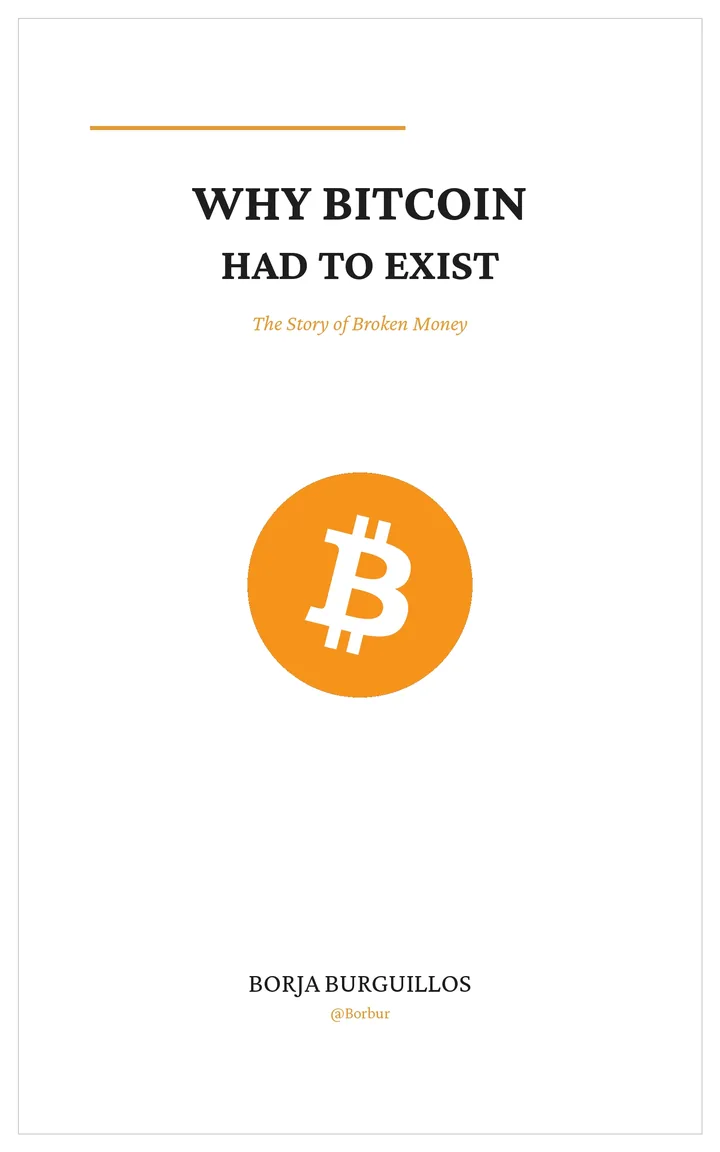
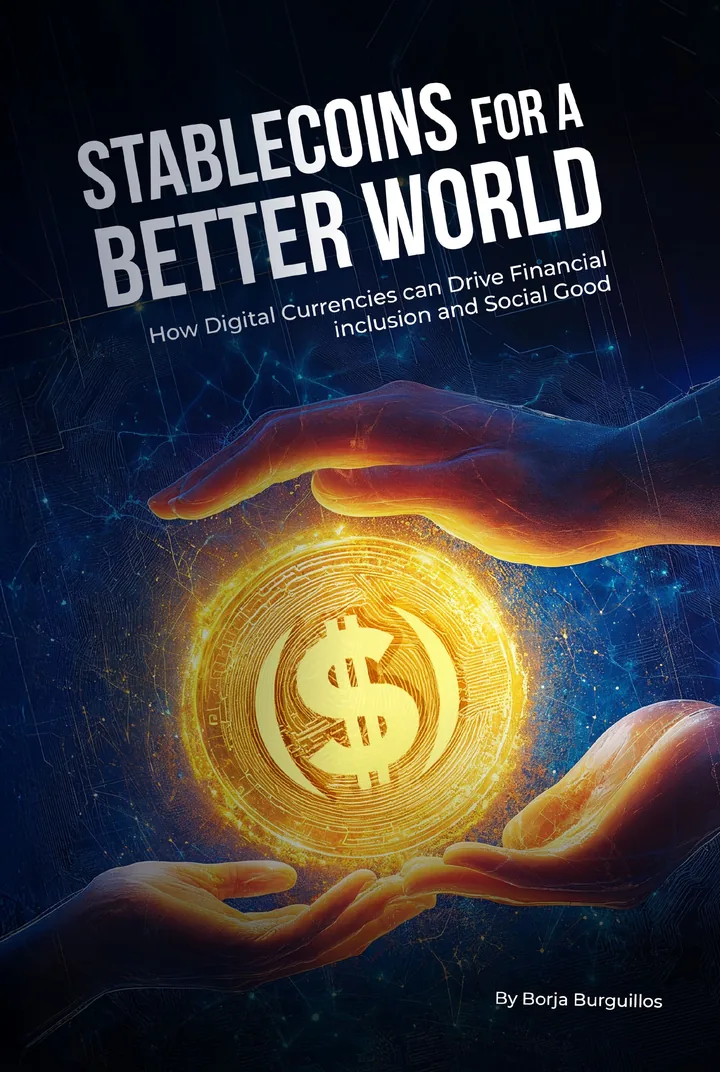
Borja spent his consulting career on compensation and benefits and now co-chairs the People & Organisation Committee of the Middle East Stablecoin Association, which looks at what digital money changes for HR. His starting point is the one this guide ends on: people do what the system rewards, and pay has to be stable before it can be anything else. Stablecoins for a Better World looks at what a stable digital dollar can do for people paid in weak currencies, and Why Bitcoin Had to Exist explains why so many workers are looking for an alternative to money that keeps losing value.
Questions
Is it legal to pay employees in cryptocurrency or stablecoins?
Partly, in most places. The base salary still has to be paid in normal money: in dirhams or another currency agreed in the contract in the UAE, and in legal tender in Spain. Crypto or stablecoins can usually be an extra on top, within the rules on pay in kind and with tax applied.
Can my whole salary be paid in Bitcoin?
Not in Spain, where wages must be paid in legal tender. In the UAE, a Dubai court ruling reported in July 2025 accepted that all or part of a salary can be agreed in crypto, but it was a first-instance ruling, and the Wage Protection System and visa rules still work in normal currency.
Do employees have to consent to being paid in stablecoins?
In the UAE, yes: wages can only be paid in a currency other than dirhams if both sides agree it in the employment contract, and the Dubai rulings concerned tokens that the contract promised. In Spain, the law itself settles most of it: the cash salary must be in legal tender, so tokens could at most be part of the pay in kind, capped at 30% of the total, and lawyers disagree even on that.
Can US employers pay wages in crypto or stablecoins?
Not as the wage itself. Federal law requires wages in cash or an instrument payable at par, and states such as California and Illinois are stricter. Employers pay in dollars and can let employees choose to convert part of their pay into crypto, at no cost to them; the IRS taxes any crypto wages at their dollar value on a W-2.
Is a salary in stablecoins different?
It reduces the price risk, because the token aims to stay at one dollar or one euro. Legally it is treated like other crypto: it is not legal tender.
How is a crypto salary taxed in Spain?
The tokens are valued in euros on the day they are delivered and count as employment income for income tax and social security. Selling them later at a profit can create a second tax bill.
Is there income tax on salaries in the UAE?
The UAE does not tax employment income. What decides whether crypto pay is possible there is labour law, the Wage Protection System and visa rules.
What should I ask before accepting crypto pay?
Which part is in normal money, how and when the tokens are valued, who holds the keys, what happens if the platform fails, and how the tokens are taxed where you live.
Sources
- eCFR, 29 CFR 531.27: Payment standards when no deductions are made (US Department of Labor regulation)
- Morrison Foerster, Paying employees in cryptocurrency: is that lawful? (April 2022)
- Internal Revenue Service, IRS reminds taxpayers to report virtual currency transactions (IR-2018-71, citing Notice 2014-21)
- Deel, Stablecoin regulations: employer guide 2026 (GENIUS Act, Public Law 119-27)
- Pinsent Masons Out-Law, Dubai court allows salaries to be paid in cryptocurrency (July 2025)
- Morgan Lewis, Paying salaries in cryptocurrency in the UAE: a new possibility? (August 2024)
- Arabian Business, UAE court ruling opens door for crypto benefits, not salaries yet (August 2024)
- CMS, The new CBUAE Payment Token Services Regulation: 10 things you need to know (2024)
- Semafor Gulf, UAE visa rules exclude stablecoin salaries (May 2026)
- UOC, ¿Cobrar la nómina en criptomonedas? (May 2026)
- Legálitas, ¿Se puede cobrar el sueldo en criptomonedas?
- Gulf Business, UAE reaffirms: no personal income tax on the horizon (2024)
- Global Legal Post / Law Over Borders, Cryptoassets law guide: United Arab Emirates (June 2026)
Updated: