Topic · Money
Why money loses value
In short
Money loses value because prices rise over time, a process called inflation. Most central banks aim for about 2% inflation a year. That sounds small, but it compounds: at 2% a year, money loses about a third of its buying power in 20 years; at 3%, it loses almost half.
Key facts
- European Central Bank target
- 2% inflation over the medium term
- US Federal Reserve target
- 2% over the longer run
- €100 after 20 years at 2% inflation
- Buys what about €67 buys today
- €100 after 20 years at 3% inflation
- Buys what about €55 buys today
- End of the dollar’s link to gold
- 15 August 1971
Money
What inflation is
Inflation is the general rise in prices over time. When it happens, each euro or dollar buys a little less than before. Because the loss compounds, small annual numbers add up: the same €100 that buys a full basket today will buy about two thirds of it in 20 years at 2% inflation.
Why central banks aim for some inflation
Central banks such as the European Central Bank and the US Federal Reserve target about 2% rather than zero. They argue a little inflation protects the economy from falling prices, which can freeze spending and investment, and leaves room to cut interest rates in a downturn. The price of that choice is paid slowly, by anyone who holds cash.
Who wins and who loses
Inflation quietly moves wealth around. People holding cash and savers in low-interest accounts lose. Borrowers gain, because their debts shrink in real terms. Owners of assets such as property and shares tend to keep up. That is why workers often feel they are running to stand still: wages that rise slower than prices are a pay cut, even when the number goes up.
Money without an anchor
On 15 August 1971, the United States suspended the conversion of dollars into gold. Since then, every major currency has been backed only by trust in the institutions that issue it. Bitcoin and stablecoins are two very different responses to that world: one replaces trust in institutions with fixed rules, the other offers a stable digital version of the dollar.
Borja’s view
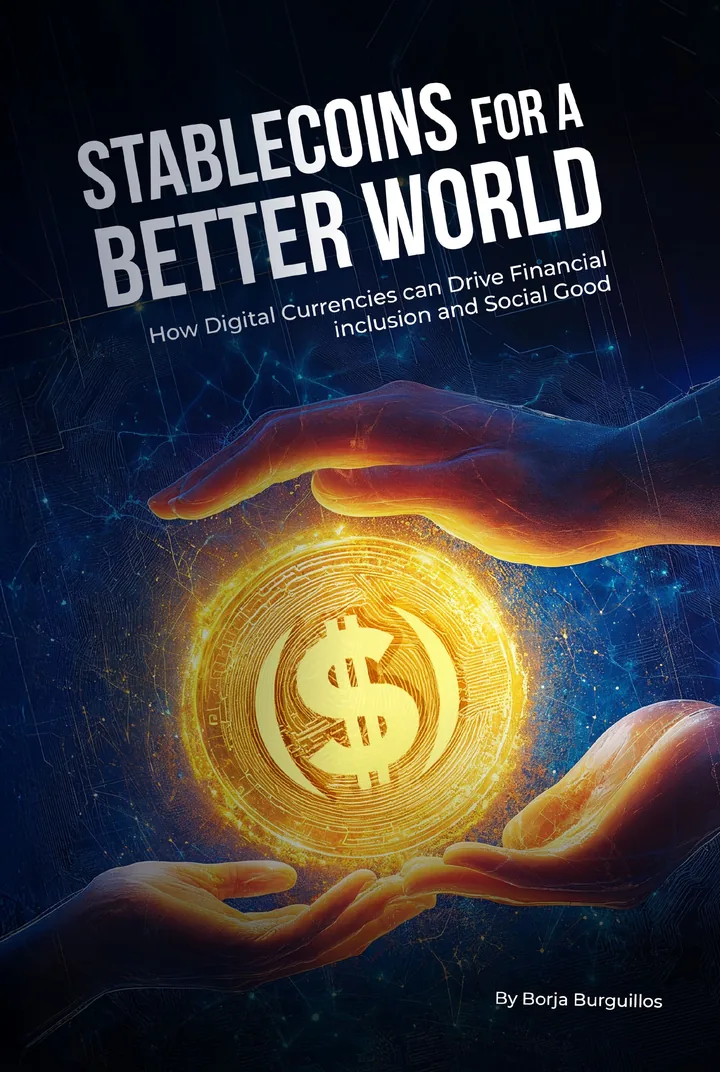
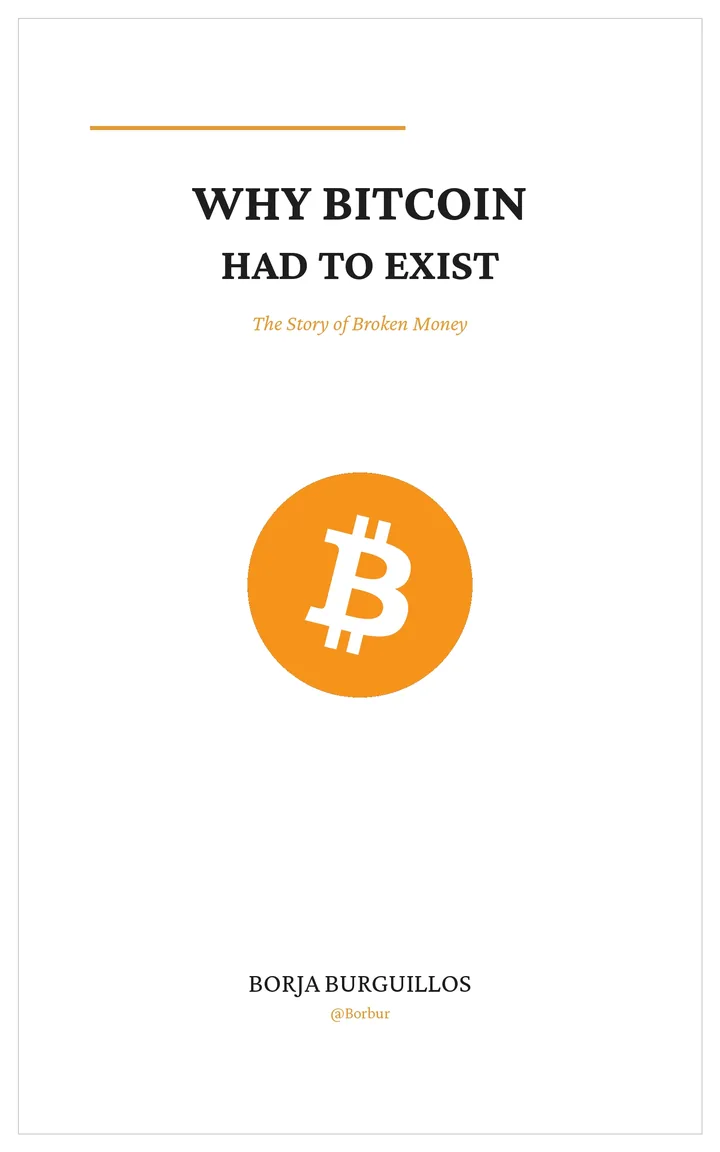
Borja’s books start from this point. Why Bitcoin Had to Exist explains how money lost its anchor and why that hurts savers and workers most. Stablecoins for a Better World looks at the people who live with weak currencies every day, and what a stable digital dollar can do for them.
Questions
What is inflation?
The general rise in prices over time, which means each unit of money buys less than it did before.
Why do central banks target 2% and not zero?
They see a little inflation as protection against falling prices and as room to cut interest rates in a downturn. The ECB targets 2% over the medium term and the Federal Reserve 2% over the longer run.
How much does money lose to inflation over 20 years?
At 2% a year, about a third of its buying power; at 3% a year, almost half.
What is fiat money?
Money that has value because a government declares it legal tender and people trust it, not because it can be exchanged for gold or anything else.